The word “cap” has shaped international football for over 150 years, yet its origins, modern variations, and all-time record holders remain widely misunderstood by millions of fans worldwide.
By David Findlay, Founder of KiqIQ.
Quick Answer: A cap in football is an official appearance made by a player for their national team in a recognised international match. The term originates from the physical headwear awarded to players in the 19th century. Each appearance counts as one cap regardless of how many minutes the player featured.
Definition: A cap in football is a formal record of one appearance by a player for their national team in an officially sanctioned international fixture. The Football Association introduced the tradition of awarding physical caps in 1886, and the convention has since been adopted globally across all confederations. Each cap represents a single match, and the cumulative total across a career is the standard measure of a player’s international involvement and longevity.
Key point: A cap is the primary unit of international football career measurement, rooted in a 19th-century British tradition that has endured across every confederation and generation of the sport.

Where Does the Term Cap Come From in Football?
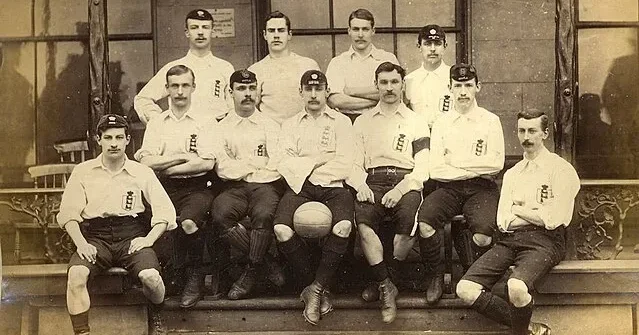
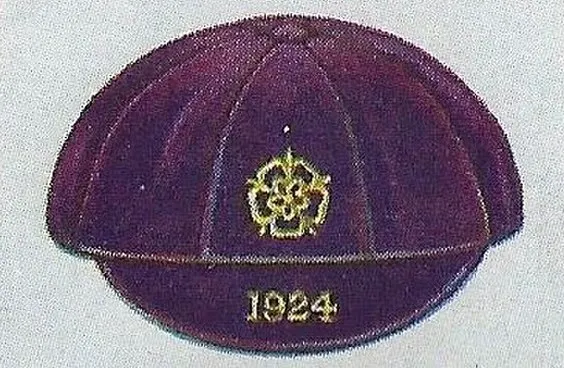
The tradition originates from England. In the earliest years of the Football Association, players selected to represent the national team were awarded a physical cap, a velvet or cloth item embroidered with the year and occasion of the match. The FA formalised this practice in 1886, making it one of the oldest surviving customs in the organised game.
The first international football match took place on 30 November 1872 between Scotland and England at the West of Scotland Cricket Club ground in Partick, Glasgow. The match finished goalless, but both squads were later credited with caps for the fixture. That occasion established the template for international appearance recognition that all FIFA member associations now follow.
The concept of counting appearances as caps spread outward from Britain as the Football Association’s influence expanded and FIFA established standardised qualification criteria throughout the 20th century. Today the physical cap is no longer awarded after every international. Many federations present ceremonial caps at milestone appearances, typically the 50th, 100th, and 150th international, but the numerical count remains the universal measure of international participation across all tiers of the game.
What Counts as a Cap in International Football?
Not every match involving national team players qualifies as a capped appearance. FIFA and the respective confederations apply precise criteria to determine which fixtures generate official caps.
A match must meet the following conditions for an appearance to count:
- Both participating nations must be full FIFA members in good standing.
- The fixture must be officially sanctioned by FIFA or the relevant confederation such as UEFA, CONMEBOL, or the AFC.
- The match must not be classified as an unofficial exhibition below the recognised competitive or friendly tier.
- The player must physically appear on the pitch, including as a substitute at any stage of the match.
A player who is named in a matchday squad but does not take to the field does not earn a cap. A substitute who enters the game in the final minute receives a cap on equal footing with a player who started and played the full 90 minutes.
Qualification matches, tournament group stage fixtures, knockout rounds, and officially sanctioned friendly internationals all count toward a player’s career cap total. Some fixtures from the early 20th century carry retrospective recognition disputes due to incomplete record-keeping, but governing bodies have generally maintained original logs rather than issuing revised totals.
What Is a Legacy Cap in Football?
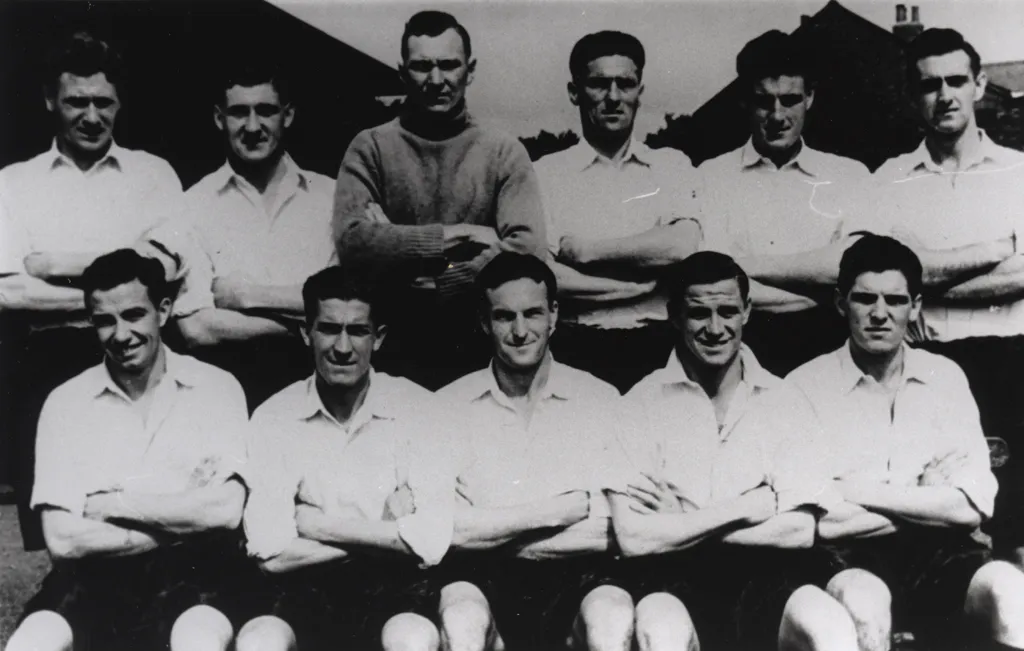
A legacy cap is an honorary recognition awarded retrospectively to players who represented their national team before official records were systematically maintained, or whose contributions to international football merit formal acknowledgement beyond their documented total.
The concept has been applied by several football associations to honour players from earlier eras whose appearances were not captured in complete records at the time. Legacy caps are not universally standardised across FIFA member associations, and eligibility criteria and award procedures vary considerably by nation.
In British football, legacy caps have been awarded to surviving players and posthumously to former internationals from the early and mid-20th century. The purpose is recognition rather than statistical revision. Legacy caps do not alter official FIFA records, competitive rankings, or the accepted totals used to determine the most capped players in international football history.
What Is a Cap Hit in Football?
In the context of the NFL and American football, a cap hit refers to the portion of a player’s contract that counts against a team’s salary cap in a given season. It combines a player’s base salary, the prorated portion of their signing bonus, and any incentive payments that qualify under cap accounting rules for that year.
This term does not apply to association football in the same structured way. The Premier League and European football more broadly operate under financial fair play regulations and profitability and sustainability rules rather than a fixed salary cap. There is no formal cap hit calculation in the NFL sense within English or European football governance structures.
If you are researching cap hit specifically in the context of American football, dedicated resources such as Over the Cap and Spotrac provide team-by-team salary cap accounting data updated throughout the NFL calendar.
What Is a Dead Cap Hit in Football?
A dead cap hit is an NFL salary cap accounting term. It refers to cap space a team must absorb in a given season for a player who is no longer on their roster, typically following a trade or release. If a player’s signing bonus was prorated across multiple contract years and they are released before those years are served, the remaining unearned bonus proration accelerates onto the releasing team’s current cap figure.
As with cap hit, dead cap has no direct equivalent in association football. There is no mechanism within Premier League or UEFA regulations that creates a dead cap charge in the way NFL accounting functions. Wage obligations following a player’s release or contract termination are governed by individual contract law and, where applicable, FIFA transfer dispute regulations, rather than by a standardised league cap accounting structure.
International Caps in Football: Why the Count Matters
International caps serve multiple functions beyond statistical record-keeping. They form the basis of eligibility requirements for competition qualification in several confederations, feed into results that shape FIFA ranking points, and carry considerable cultural weight within national football identity.
A high cap total signals consistent selection across coaching regimes, tournament cycles, and periods of squad regeneration. It reflects durability and sustained quality rather than peak performance in a single tournament. Managers and analysts increasingly use cap totals alongside performance metrics to assess squad depth and understand generational transition within national setups.
For players, reaching milestone totals carries ceremonial and often contractual significance. Bonuses, commemorative caps, and public recognition are standard at major thresholds in many national associations, reinforcing the cultural status the cap has maintained since its origins in Victorian Britain.
Frequently Asked Questions
What is a cap in football?
A cap in football is one official appearance for a national team in a sanctioned international match. Each appearance adds one cap to a player’s career total regardless of minutes played.
Do substitute appearances count as a cap in international football?
Yes. Any player who enters the field of play, including late substitutes, receives a cap for that match. Players named in the squad who do not feature do not earn a cap.
What is a legacy cap in football?
A legacy cap is an honorary cap awarded by a national association to players from earlier eras whose appearances were not fully recorded at the time, or to acknowledge historic international contributions. Legacy caps do not alter official FIFA statistics.
Does what is a cap in football differ from cap hit?
Yes, they are unrelated terms. A cap in football refers to a national team appearance. Cap hit is a salary cap accounting term used exclusively in the NFL and American football, with no equivalent in association football.