Football Science: 5 Disciplines That Shape the Modern Game

Football science is the application of physiology, biomechanics, nutrition, psychology and performance analysis to the preparation and development of football players across all levels.
Football performance explained: conditioning, sprint load, biomechanics, fatigue, recovery, and injury risk in football.
Football science is the application of physiology, biomechanics, nutrition, psychology and performance analysis to the preparation and development of football players across all levels.
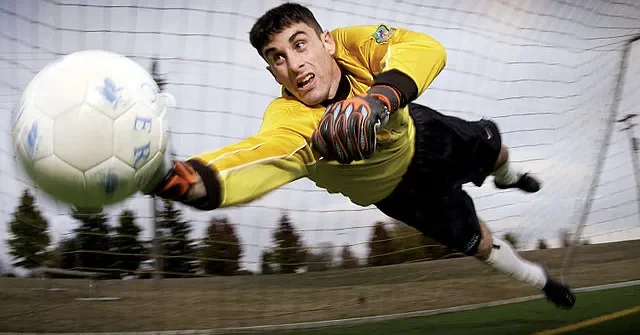
Most goalkeepers wash their gloves wrong, stripping grip and shortening lifespan before the second match. By David Findlay, Founder of KiqIQ. Quick Answer: Pre-wash new gloves 24 hours before first use in lukewarm water (max 30°C), wash immediately after every session with glove-specific cleaner or plain water, squeeze (never twist) excess moisture, air-dry away from … Read more

Stat padding accusations follow elite scorers across every sport, but proving intent requires more than suspicion. Learn how opponent-adjusted metrics and leverage analysis reveal whether volume reflects dominance or selective opportunism.

Flexibility affects sprint length, injury exposure, and goalkeeper reach. This performance science guide explains why structured flexibility programming is a competitive necessity, not a warm-up habit.

Most footballers stretch. Few get the timing right. This guide covers the 12 dynamic and static stretches for football that reduce injury risk before and after every session.

Endurance determines who lasts. Power determines who wins. Discover the performance science behind why power output is the decisive physical quality in modern football.
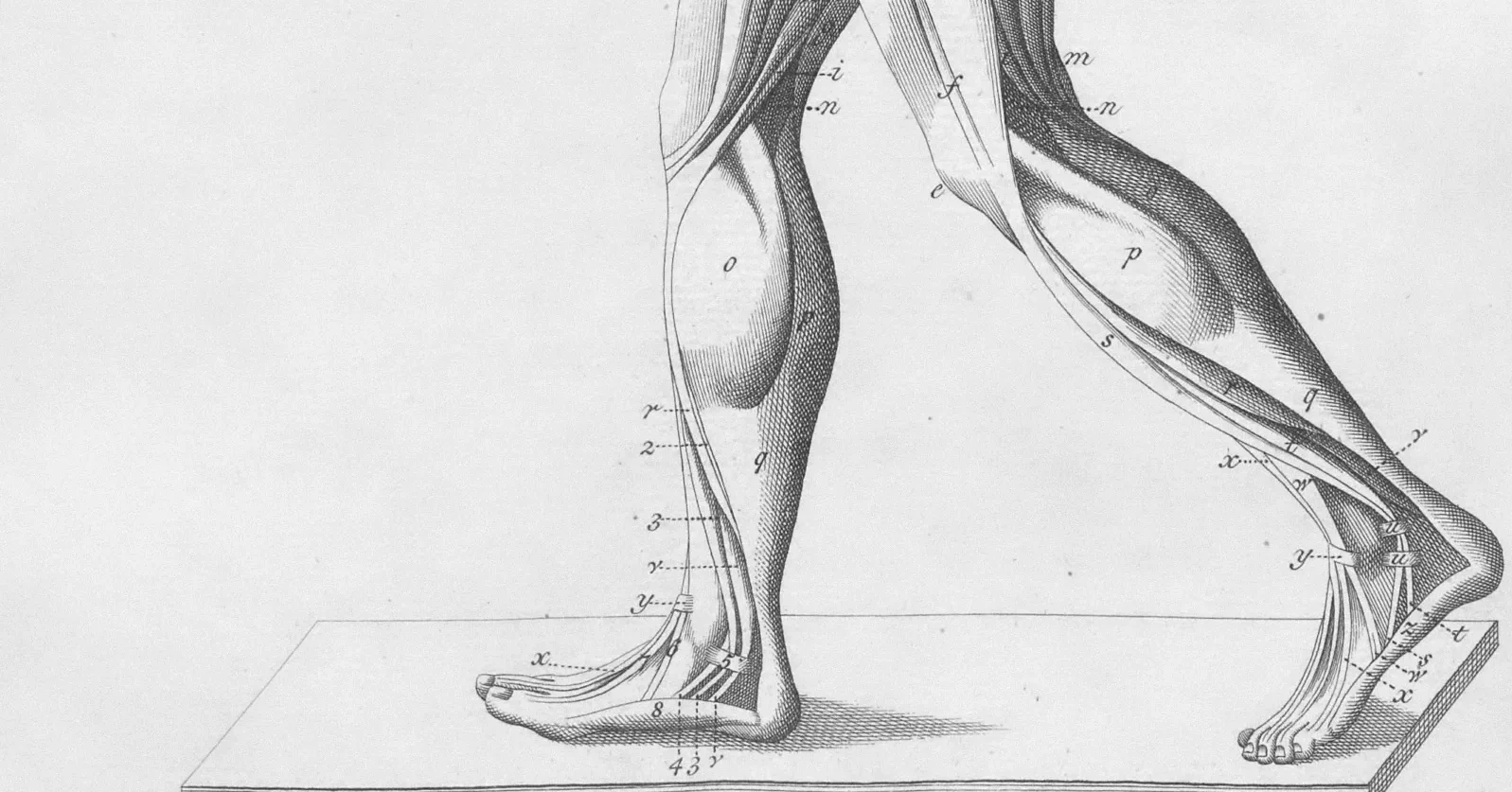
Three mechanical principles govern every sprint, kick, and tackle in football. Football biomechanics basics explain the physics behind movement science that most coaches never see in practice.

Most GPS dashboards report sprint distance, but few show whether that volume is building useful adaptation or accumulating hidden risk across acceleration, clustering, and fatigue state.