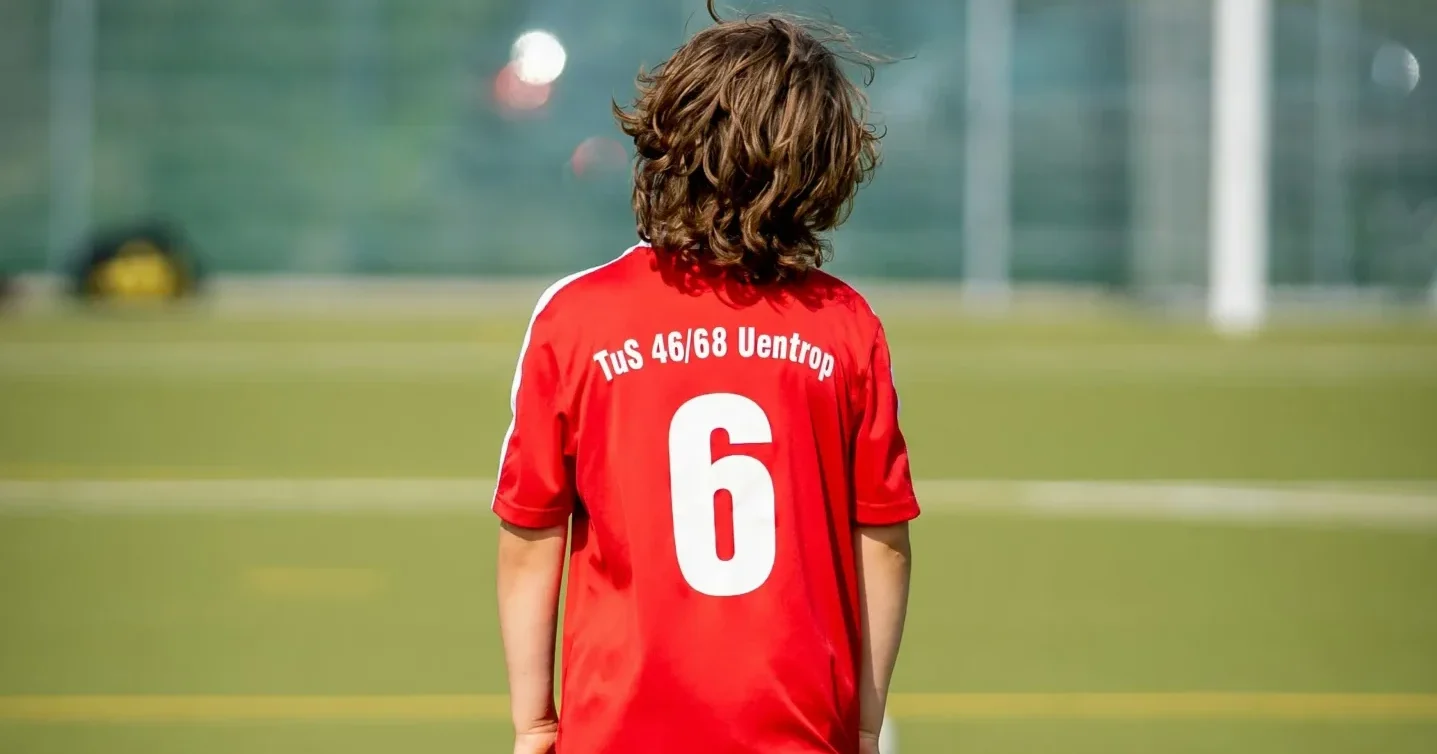
One shirt number defines the defensive architecture of an entire team.
By David Findlay, Founder of KiqIQ.
Quick Answer: The number 6 in football is the holding or defensive midfielder who operates centrally in front of the back line, screens the defence, and recycles possession to keep the team in shape. The role requires high positional intelligence, physical durability, and composure under pressure and is one of the most tactically influential positions in the modern game.
Definition: In football, the number 6 is the holding midfielder or defensive midfielder positioned centrally between the defensive line and the attacking midfield unit. The role’s core function is to screen the back four, win or intercept the ball in central areas, and distribute possession to restart attacking phases. In traditional British numbering systems the number 6 shirt was assigned to the left-sided centre-back, but in modern football the term almost universally refers to the deepest central midfielder.
Key point: The number 6 is the positional anchor of the modern midfield. Without an effective holding midfielder, teams are regularly exposed to direct runs through the centre and lose their primary mechanism for recycling possession under defensive pressure.
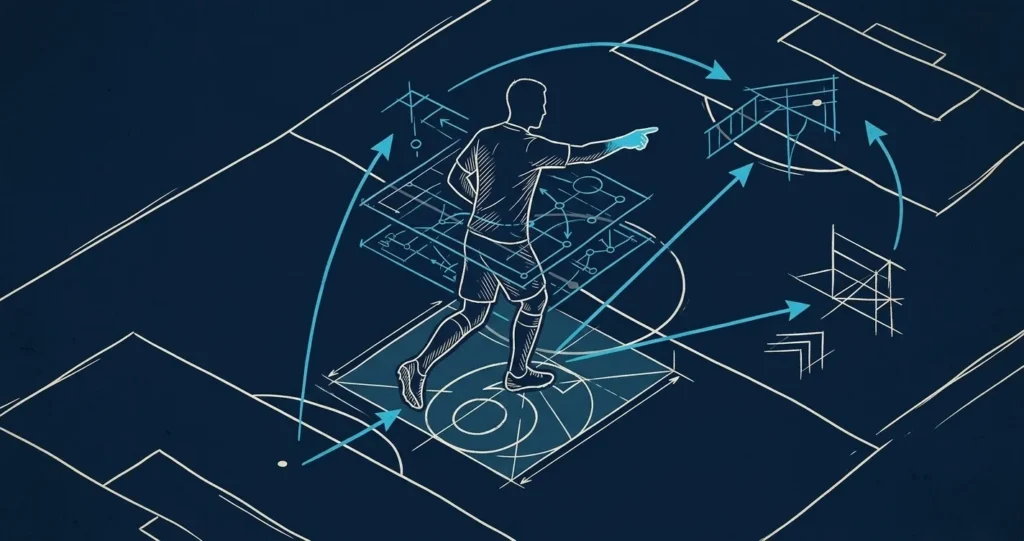
What Is the Number 6 Position in Football?
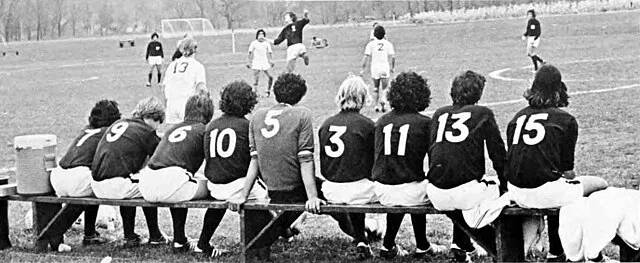
The number 6 shirt traces its origins to the positional numbering system that developed in England during the early twentieth century. Under that system, outfield players wore shirts numbered 2 to 11, with each number corresponding to a fixed position on the pitch. The number 6 was assigned to the left-sided centre-back or left half-back depending on the formation in use at the time.
As tactical systems became more complex and permanent squad numbers replaced match-day positional numbers, the number 6 shirt migrated toward the deepest central midfielder in most professional squads. This shift was accelerated by the widespread adoption of the 4-3-3 and 4-2-3-1 formations during the late 1990s and 2000s, which required a dedicated holding midfielder to anchor the midfield and cover the space in front of the back line.
Today the term “number 6” is used interchangeably with “holding midfielder,” “defensive midfielder,” and “pivot” across coaching, analysis, and broadcast contexts at every level of the game.
Five Core Responsibilities of the Football Number 6
The holding midfielder carries a clearly defined set of responsibilities that separate the role from the number 8 (box-to-box midfielder) and the number 10 (attacking midfielder).
- Defensive screening: Positioning centrally between the opposition and the back four to cut passing lanes and reduce the space available for opposition runners in behind the midfield line.
- Ball recovery: Winning possession through interceptions, blocks, and well-timed tackles in central areas before opposition attacks build momentum toward the defensive line.
- Positional discipline: Maintaining a compact, low-risk position when fullbacks advance, covering the spaces they vacate and preventing counter-attacks from developing through the central corridor.
- Build-up distribution: Receiving the ball from centre-backs under pressure and playing short, accurate passes to maintain possession and progress the team up the pitch through structured build-up sequences.
- Organisational leadership: Directing the defensive line, managing press triggers, and communicating team shape to surrounding players throughout out-of-possession phases.
How the Football Number 6 Differs From Other Midfield Roles
The three central midfield positions, the 6, the 8, and the 10, share physical proximity on the pitch but carry distinct tactical responsibilities. The comparison below sets out the key differences across primary function, defensive demand, and creative output.
| Role | Common Name | Primary Function | Defensive Duty | Creative Output | Famous Example |
|---|---|---|---|---|---|
| Number 6 | Holding Midfielder | Screen the defence and recycle possession | High | Low to medium | Claude Makelele |
| Number 8 | Box-to-Box Midfielder | Link defence and attack across both phases | Medium | Medium | Frank Lampard |
| Number 10 | Attacking Midfielder | Create chances and support the forward line | Low | High | Zinedine Zidane |
Players Who Have Defined the Number 6 Role
Several players across different eras have shaped how the holding midfielder is understood, valued, and coached in elite football.
Claude Makelele
Claude Makelele is the most cited reference point for the modern number 6 role. His performances at Real Madrid and Chelsea during the early 2000s were sufficiently distinctive that the role itself became widely referred to as the “Makelele role” in tactical literature and coaching education. His primary contribution was defensive coverage rather than creative output, filling the central space in front of the back four that other players consistently vacated when pressing higher up the pitch.
Sergio Busquets
Sergio Busquets redefined what positional intelligence means in the number 6 role. Under Pep Guardiola at Barcelona, Busquets demonstrated that a holding midfielder could orchestrate attacking build-up phases from deep without compromising defensive positioning or team shape. His reading of the game, economy of movement, and passing accuracy under pressure became benchmarks for the modern pivot role at international level.
Xabi Alonso
Xabi Alonso operated as a holding midfielder across Liverpool, Real Madrid, and Bayern Munich, combining positional discipline with exceptional range of passing. His ability to play accurate forward passes from deep positions under high pressing made him one of the most complete profiles in the modern history of the role.
Casemiro
Casemiro established his reputation at Real Madrid as one of the most physically dominant holding midfielders in European football over the course of a decade. He combined high defensive output with reliable short distribution and contributed to five UEFA Champions League title wins in the role before joining Manchester United in 2022.
Bobby Moore and Franco Baresi
In the traditional numbering era, the number 6 shirt was worn by defenders rather than midfielders. Bobby Moore wore the number 6 shirt for both West Ham United and England, captaining the national side to their 1966 FIFA World Cup victory. Franco Baresi wore the number 6 shirt throughout his career at AC Milan, where it was permanently retired following his retirement in 1997. Both represent the historical defensive lineage of the shirt number before tactical evolution repositioned it in the holding midfield role.
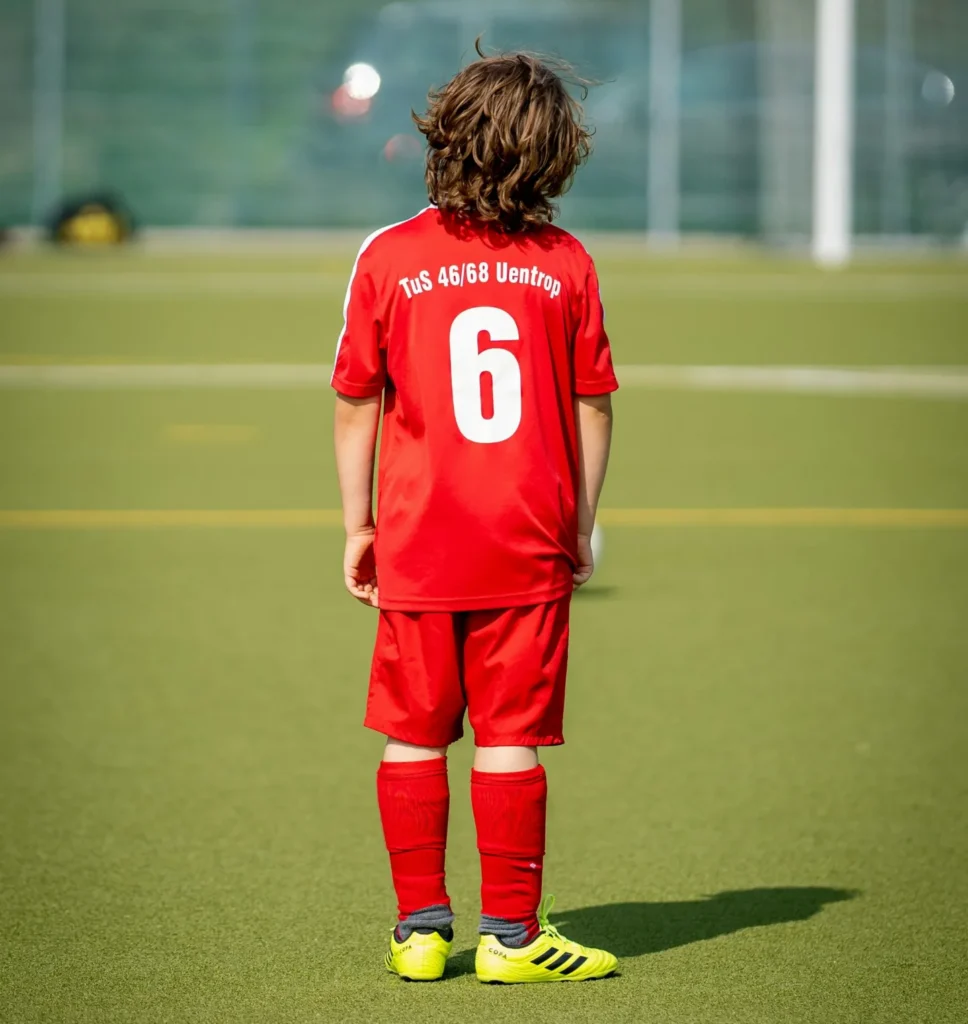
The Number 6 in the Modern Game
The role of the holding midfielder has continued to evolve alongside tactical trends in elite European football. The rise of high-pressing systems has placed greater physical and positional demands on the number 6, who must now function within complex out-of-possession structures rather than operating as a static defensive anchor behind the midfield line.
In possession-based systems, the number 6 is frequently deployed as a “false pivot,” dropping between the centre-backs during the build-up phase to create a back three and allow the fullbacks to advance into wider attacking channels. This movement requires the holding midfielder to combine positional versatility with reliable technical security when receiving the ball in tight spaces.
In counter-pressing systems, the number 6 is required to press aggressively when possession is lost, triggering compact team pressing rather than retreating immediately to protect the back line. This dual demand across both defensive structure and pressing output has made the football number 6 one of the most physically and tactically demanding positions in the modern game.
What Makes an Effective Number 6?
Coaches and analysts consistently identify the following attributes as the defining qualities of a highly effective holding midfielder at professional level.
- Positional intelligence: Reading opposition movement and adjusting position before the ball arrives, rather than reacting after it is played into dangerous central areas.
- Passing range and accuracy: Completing short passes under pressure and playing accurate longer passes to switch play or find advanced runners in behind the opposition midfield line.
- Physical durability: Sustaining high defensive output across the full duration of matches, including late-game pressing responsibilities when other midfielders fatigue.
- Composure under pressure: Receiving the ball from centre-backs in tight areas when the opposition presses high without conceding possession in dangerous central positions.
- Tackling and interception timing: Winning the ball cleanly without conceding fouls close to the defensive line where free kicks create immediate set-piece threats.
Frequently Asked Questions
What is a number 6 in football?
The football number 6 is the holding or defensive midfielder who operates centrally in front of the back line. The role involves screening the defence, winning possession in central areas, and distributing the ball to maintain team shape across build-up phases.
Is the number 6 a defender or a midfielder?
In modern football, the number 6 is a midfielder. Specifically, a holding or defensive midfielder. In traditional English numbering systems of the twentieth century, the number 6 shirt was worn by the left-sided centre-back, but contemporary usage applies the term almost universally to the deepest central midfielder in the team.
What is the difference between a number 6 and a number 8 in football?
The number 6 is primarily defensive, focused on screening the back line and winning possession in central areas. The number 8 is a box-to-box midfielder with balanced responsibilities across both defensive and attacking phases, covering more ground and contributing more directly to goalscoring opportunities than the number 6.
Who is the most famous player to define the football number 6 role?
Claude Makelele is most frequently cited as the defining reference point for the modern holding midfielder. His influence on how the role is understood was significant enough for the position to be widely named after him in coaching literature and tactical analysis.
Do all teams use a number 6?
Not all teams deploy a dedicated holding midfielder. Some formations use two central midfielders of balanced defensive and attacking responsibility rather than one specialist anchor. However, the majority of elite teams in European football use at least one player fulfilling the number 6 function in their out-of-possession structure.