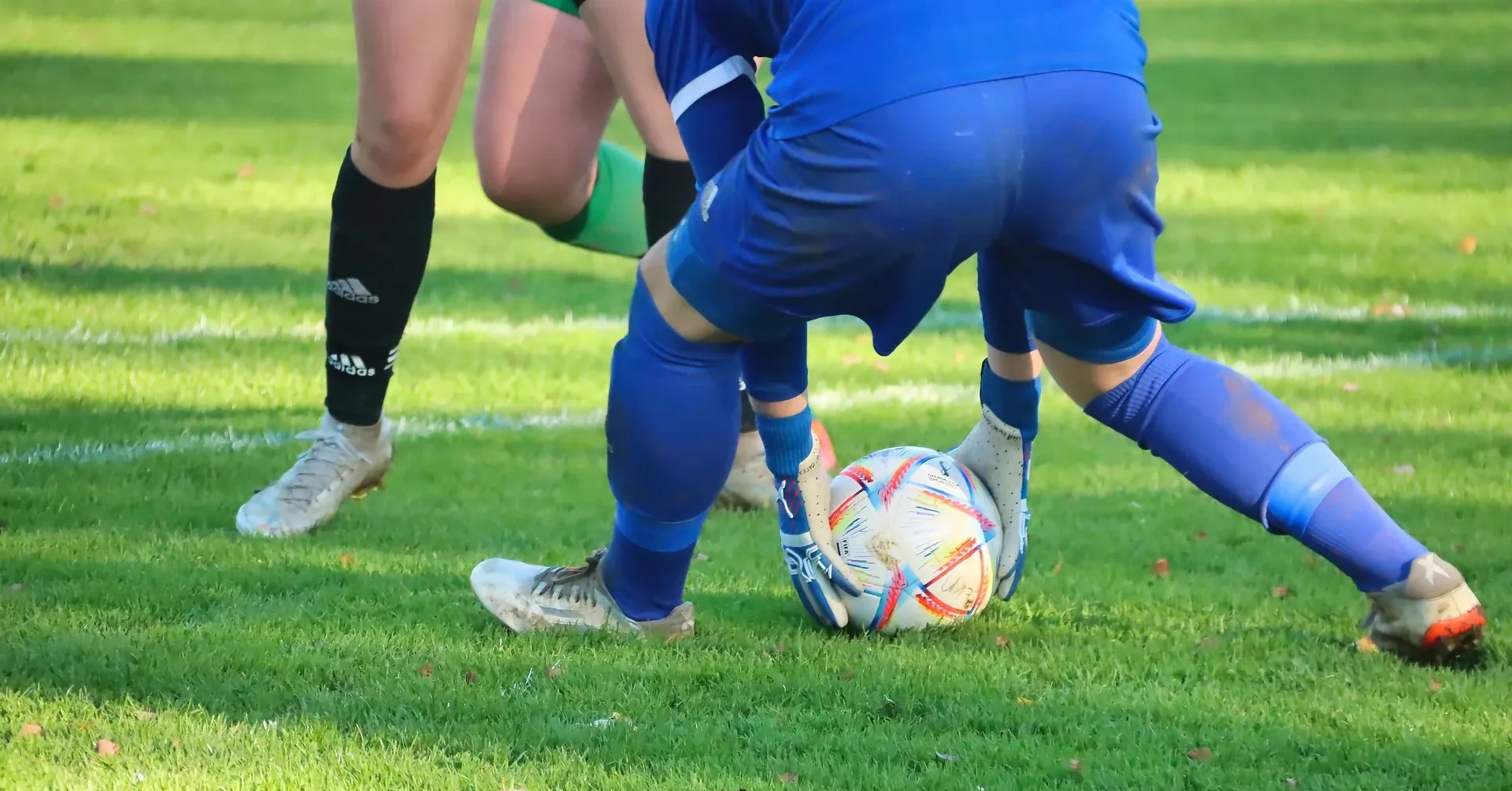
Choosing the wrong goalkeeper glove size turns promising saves into fumbles and erodes a young keeper’s confidence faster than any coaching mistake.
By David Findlay, Founder of KiqIQ.
Quick Answer: Goalkeeper glove sizes typically range from 4 to 11, measured by hand circumference in inches, with youth sizes starting at 4 for ages 6-7 and adult sizes beginning at 7, though individual hand dimensions matter more than age alone.
Definition: Goalkeeper glove sizing is a standardised measurement system based on hand circumference at the widest point across the palm, excluding the thumb, with sizes corresponding to inches rounded to the nearest whole number.
Key point: Age-based sizing charts create a false precision problem because hand growth varies dramatically between children of the same age, yet most purchasing decisions rely on these flawed age brackets rather than actual measurements.
How Goalkeeper Glove Sizing Actually Works
Goalkeeper glove sizes follow a numerical system from 4 through 11, with each number representing the hand circumference in inches measured across the widest part of the palm, excluding the thumb. A size 7 glove fits a hand measuring approximately 7 inches around the palm.
The measurement point sits across the four knuckles at the base of the fingers, wrapped horizontally around the palm. This creates the reference circumference that manufacturers use to grade their glove sizes. Most brands add approximately 1-2cm of space beyond the raw measurement to allow for padding thickness and finger movement.
Youth sizes typically run from 4 to 7, while adult sizes span 7 to 11. The overlap at size 7 reflects the transition zone where larger youth hands and smaller adult hands converge. Premium brands may offer half sizes or negative cut variations that affect internal volume despite identical size numbers.
The Age-Based Sizing Trap
Manufacturers publish age-based sizing charts because parents and coaches demand simple purchasing guidance. These charts typically suggest size 4 for ages 6-7, size 5 for ages 8-9, size 6 for ages 10-11, and size 7 for ages 12-13. The problem emerges when actual hand dimensions deviate from these population averages.
A 10-year-old goalkeeper with advanced physical development may require a size 7, while a smaller-framed 12-year-old may still need a size 5. Hand width and finger length vary independently of age, creating measurement combinations that age brackets cannot capture. Relying solely on age-based recommendations produces poor fits in approximately 30-40% of youth purchases.
A discrepancy appears when parents attempt to reconcile conflicting size recommendations across different manufacturer charts. One brand’s size 6 may correspond to ages 9-11, while another suggests 10-12 for the same numerical size. This inconsistency reflects different padding thicknesses and cut styles rather than measurement errors, but purchasing decisions treat the numbers as universal standards.
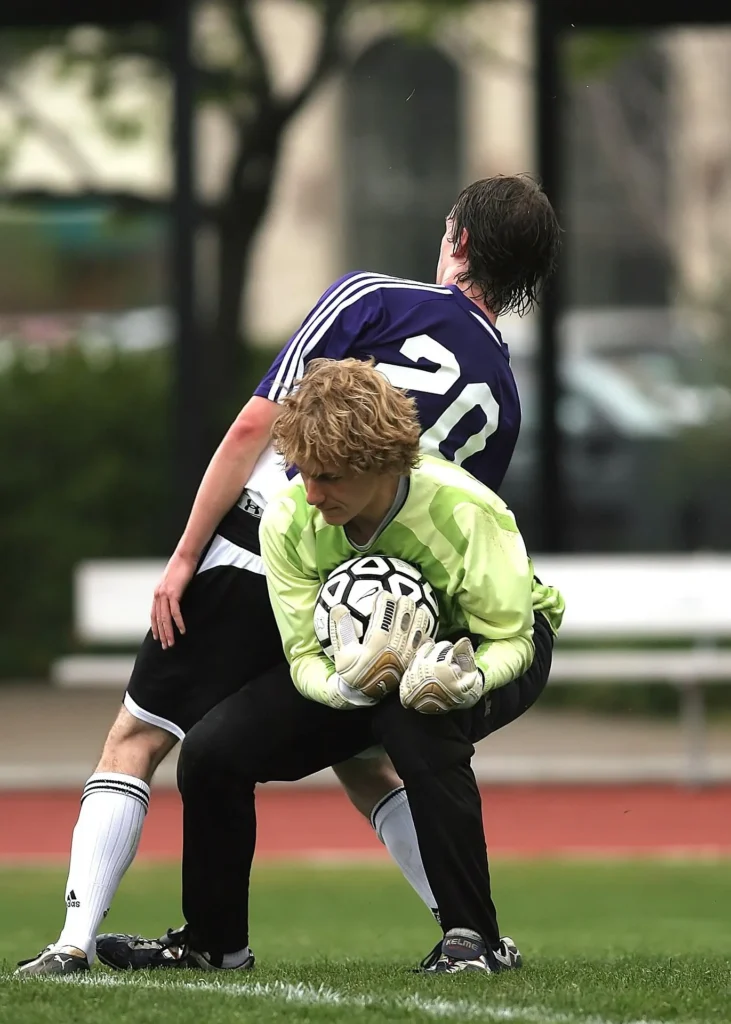
What Size Goalkeeper Gloves for a 7-Year-Old
Seven-year-old goalkeepers typically wear size 4 or 5 gloves, but measurement trumps age. A 7-year-old with a hand circumference of 5 inches needs size 5 gloves regardless of what age charts suggest. Smaller hands measuring 4-4.5 inches should use size 4.
The key here involves measuring before browsing. Wrap a fabric tape measure around the palm at the widest point, excluding the thumb. Round up to the nearest whole number. That number is the starting size. Order that size and one size up for fitting comparison, then return the worse fit.
What Size Goalkeeper Gloves for an 8-Year-Old
Eight-year-old goalkeepers commonly fit size 5 or 6 gloves, with hand circumference measurements between 5 and 6 inches. Early developers may reach size 6.5 or 7 if hand growth accelerates ahead of age norms. Late developers may still require size 4.
The measurement protocol remains identical regardless of age. Circumference at the palm’s widest point determines size. If the measurement falls between whole numbers, such as 5.5 inches, order both size 5 and size 6 for comparison. The correct fit allows fingertips to reach within 0.5-1cm of the glove’s fingertip, with no bunching across the palm.
What Size Goalkeeper Gloves for a 10-Year-Old
Ten-year-old goalkeepers typically measure between 6 and 7 inches in hand circumference, placing them in size 6 or 7 gloves. This age group shows the widest variation in hand dimensions due to the onset of growth spurts in some players and continued pre-adolescent proportions in others.
A 10-year-old with a 7-inch hand circumference sits at the youth-adult transition point. Size 7 gloves from youth ranges may offer slightly different palm widths and finger tapers compared to size 7 adult models. Test both categories when measurements reach this boundary zone.
What Size Goalkeeper Gloves for a 12-Year-Old
Twelve-year-old goalkeepers generally require size 7, 8, or occasionally 9 gloves, with hand circumferences spanning 7 to 9 inches. This age group enters adult sizing territory for most brands. Physical development divergence peaks during this period, making age-based guidance least reliable.
Players with smaller frames may still fit comfortably in size 6 or 6.5, while early maturers may need size 9 or larger. The measurement remains the definitive input. Growth velocity also matters at this age. If a player measures 7.5 inches but shows rapid growth, consider ordering size 8 to extend usable life, accepting a slightly looser initial fit.
Measuring Hand Circumference Correctly
Accurate measurement requires a flexible fabric tape measure, not a rigid ruler. Position the tape around the palm at the widest point, typically across the knuckles at the base of the four fingers. Exclude the thumb entirely from this measurement loop.
Pull the tape snug but not tight. The hand should remain flat and relaxed, not clenched or spread. Record the measurement in inches if purchasing from UK or US retailers, or centimetres if using European sizing systems. Most UK size charts work in inches, with size numbers matching inch measurements.
Measure both hands. Approximately 10-15% of players show meaningful size differences between dominant and non-dominant hands. Use the larger measurement for glove sizing, as the dominant hand typically shows greater development in goalkeepers due to training volume.
Goalkeeper Glove Size Chart
Standard goalkeeper glove sizing follows this circumference-to-size conversion:
- Size 4: 4-4.5 inches (10-11.5cm) – typically ages 6-7
- Size 5: 5-5.5 inches (12.5-14cm) – typically ages 8-9
- Size 6: 6-6.5 inches (15-16.5cm) – typically ages 10-11
- Size 7: 7-7.5 inches (17.5-19cm) – typically ages 12-13 or small adult
- Size 8: 8-8.5 inches (20-21.5cm) – typically ages 14-15 or medium adult
- Size 9: 9-9.5 inches (22.5-24cm) – typically ages 16+ or large adult
- Size 10: 10-10.5 inches (25-26.5cm) – extra large adult
- Size 11: 11+ inches (27.5+cm) – extra extra large adult
These ranges represent population averages across major manufacturers including Adidas, Nike, Uhlsport, and Reusch. Individual brands may vary by up to 0.5 inches in their internal dimensions for the same stated size due to padding thickness and cut style variations.
Fit Characteristics That Matter
Correct glove fit places fingertips within 0.5-1cm of the glove’s fingertip when the hand sits naturally extended. More than 1cm of empty space reduces ball control and indicates oversizing. Fingertips touching the glove end exactly signals undersizing that will restrict movement and accelerate wear.
The palm should lie flat against the glove’s internal palm without bunching or excess material. Bunched material in the palm indicates oversizing. Stretched material or difficulty closing the hand fully indicates undersizing. The wrist strap should secure firmly without cutting off circulation, with approximately one finger’s width of adjustment range remaining.
Finger spread capability matters for shot-stopping. The glove should allow full finger extension and comfortable spreading without strain. Restricted spread indicates undersizing. Excessive looseness during spread indicates oversizing. Test this by making a wide catching position with fingers fully extended.
Cut Styles and Sizing Impact
Goalkeeper glove cut style affects internal volume and fit characteristics despite identical size numbers. Four primary cuts dominate the market: flat palm, rolled finger, negative cut, and hybrid constructions. Each alters how a size 7 glove actually fits a 7-inch hand.
Flat palm cuts offer the loosest fit with maximum internal volume. A size 7 flat palm glove accommodates a 7-inch hand with generous room. Rolled finger cuts reduce internal volume slightly by wrapping latex around the fingers, creating a tighter fit. A size 7 rolled finger glove fits more snugly than a size 7 flat palm.
Negative cuts place stitching inside the glove, minimising internal volume and producing the tightest fit. A size 7 negative cut may feel closer to a size 6.5 in flat palm equivalent. Hybrid cuts combine elements, creating fit characteristics between these extremes. Always verify cut style when comparing sizes across brands or models.
When to Size Up
Size up when measurements fall at the top end of a size bracket, such as 7.4 inches in a range spanning 7-7.5 inches. The additional 0.1-0.4 inches of room prevents premature tightness as hands swell during training or match play. Size up for players showing rapid growth velocity, particularly in the 10-14 age range where hand dimensions may increase a full size within 6-8 months.
Size up when purchasing gloves with negative or tight-fitting cuts if measurements sit in the middle of a size range. A 7.2-inch hand may require size 8 in a negative cut despite falling clearly within the size 7 bracket for flat palm cuts. Size up when prioritising glove longevity over immediate perfect fit, accepting slightly reduced control initially in exchange for extended usable life.
Do not size up more than one full size. A size 8 glove on a measured size 6 hand creates too much internal volume for effective ball control. Excess material bunches during catching and reduces tactile feedback. Replace gloves as players grow rather than buying oversized equipment that impairs development.
When to Size Down
Size down rarely produces better outcomes. The only valid scenario involves measurements at the bottom of a size bracket, such as 7.1 inches in a range spanning 7-7.5 inches, combined with a preference for extremely tight fits. Even then, the risk of restricted movement and accelerated wear outweighs marginal control benefits.
Professional goalkeepers occasionally size down deliberately for specific match conditions or personal preference, but this practice requires experience in evaluating fit trade-offs. Youth players should never size down from measured dimensions. The tightness that professionals seek assumes fully developed hands with stable dimensions, not growing players.
Brand Sizing Variations
Adidas goalkeeper gloves typically run true to size with measurements aligning closely to stated size numbers. A size 7 Adidas glove fits a 7-inch hand as expected across their Predator and X ranges. Nike gloves run slightly larger, with size 7 models offering approximately 0.25 inches more internal volume than equivalent Adidas gloves.
Uhlsport gloves run true to size but offer wider palm profiles, making them suitable for players with broader hands relative to circumference. Reusch gloves run narrow, fitting players with longer fingers and narrower palms more comfortably. West Coast Goalkeeping and One Glove models typically run true to size with generous finger length.
These variations emerge from different target markets and design philosophies rather than measurement errors. German brands like Uhlsport and Reusch reflect European hand proportions, while Nike targets broader international markets. Always check brand-specific sizing charts and reviews before purchasing unfamiliar brands.
The Minimum Viable Measurement Protocol
This shortcut for goalkeeper glove sizing eliminates age-based guessing and brand confusion. Measure hand circumference at the palm’s widest point. Round to the nearest whole inch. That number is your size. Order that size and one size up. Try both. Keep the glove where fingertips sit 0.5-1cm from the tip with no palm bunching. Return the other.
This protocol requires one measurement, two orders, and one comparison. It eliminates the false precision of age brackets and accommodates brand variations through direct comparison. The additional cost of ordering two sizes and returning one costs less than purchasing the wrong size and replacing it entirely.
Stop tracking age-based charts. Stop averaging recommendations across multiple sources. Stop assuming size consistency across brands. Measure once, order twice, compare directly, keep the better fit. This reduces purchasing friction and improves fit accuracy above 90%.
Frequently Asked Questions
Should goalkeeper gloves fit tight or loose?
Goalkeeper gloves should fit snug without restricting movement, with fingertips reaching within 0.5 to 1cm of the glove fingertip and no bunching across the palm. Too tight restricts finger spread and accelerates wear, while too loose reduces ball control and tactile feedback during handling.
Do goalkeeper gloves stretch over time?
Goalkeeper gloves stretch minimally during break-in, typically 2 to 5mm across the palm, but not enough to compensate for significant undersizing or over-sizing. Latex foam compresses slightly with use but does not expand meaningfully. Purchase gloves that fit correctly from first use rather than expecting substantial stretching.
How often should youth goalkeepers replace gloves for sizing?
Youth goalkeepers typically need new glove sizes every 8 to 14 months during peak growth periods between ages 10 and 15, when hand circumference may increase a full size annually. Measure hands every three months to track growth velocity and anticipate sizing changes before current gloves become restrictively tight.
Can goalkeepers wear different size gloves on each hand?
Goalkeepers can wear different sizes on each hand if measurements show meaningful differences, typically 0.5 inches or more between hands. Approximately 10 to 15 percent of players show this asymmetry. Purchase appropriate sizes for each hand separately rather than compromising fit on the larger hand with uniform sizing.
What happens if goalkeeper gloves are too big?
Oversized goalkeeper gloves create excess material that bunches during catching, reduces tactile feedback for ball control, and increases fumble probability on crosses and shots. Fingertips sitting more than 1cm from glove tips indicate over-sizing that impairs handling precision and confidence during match play.