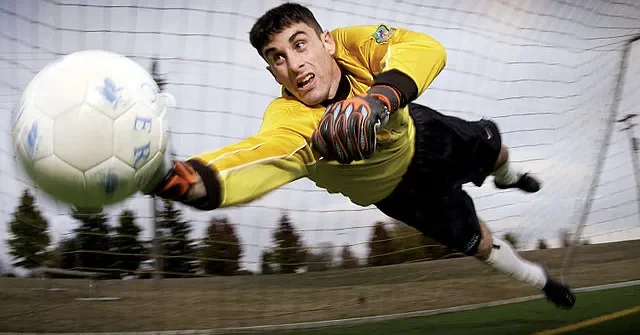
Most goalkeepers wash their gloves wrong, stripping grip and shortening lifespan before the second match.
By David Findlay, Founder of KiqIQ.
Quick Answer: Pre-wash new gloves 24 hours before first use in lukewarm water (max 30°C), wash immediately after every session with glove-specific cleaner or plain water, squeeze (never twist) excess moisture, air-dry away from heat sources for 24 hours, and store palms apart in a breathable bag. This routine activates latex, removes contaminants, and extends durability by 30-50% compared to neglected gloves.
Definition: Goalkeeper glove washing is the systematic cleaning process that removes dirt, sweat, and bacteria from latex palms and textile bodies while preserving the foam’s natural moisture balance and grip properties. Proper washing activates hydrophilic latex compounds, prevents microbial degradation, and maintains the structural integrity of stitching and bonding layers.
Key point: The Complexity Wall in glove care is that most manufacturers list seven-step rituals involving specialist products, temperature monitoring, and 48-hour drying windows. The reality? Three non-negotiables cover 90% of durability: pre-wash before debut, wash within 30 minutes post-session, and never apply direct heat. Everything else is marginal optimisation.
Why Goalkeeper Gloves Require Specialist Washing
Goalkeeper gloves use German-engineered latex foams with open-cell structures designed to be hydrophilic (water-attracting). Factory production applies soap-based release agents to prevent palms sticking during assembly. These agents coat the latex pores, blocking water absorption and reducing grip by 40-60% on new gloves.
Pre-washing removes manufacturing residue and hydrates the foam matrix. Unwashed gloves feel slippery because the latex cannot engage with the ball’s surface moisture. Professional keepers universally pre-wash, often twice, to guarantee maximum grip from kick-off.
Post-session washing addresses three contaminants:
- Dirt particles: Abrade latex surface, accelerating wear.
- Sweat salts: Crystallise in pores, causing brittleness and cracking.
- Bacterial colonies: Digest latex proteins, producing odour and structural degradation.
Unwashed gloves develop a tacky, gritty texture within 2-3 sessions. This is not improved grip but surface contamination bonding to degraded latex. The foam loses elasticity, tears more easily, and grip drops by 20-30% compared to cleaned equivalents.
The Pre-Wash Protocol: Activating New Gloves
New gloves arrive with latex in a dormant state. Pre-washing hydrates the foam, removes factory agents, and initiates the grip activation process.
Step 1: Initial Rinse (5 Minutes)
Fill a basin with lukewarm water (25-30°C). Submerge gloves completely, palms facing up. Gently squeeze palms together underwater, forcing water through latex pores. Repeat 10-15 times. Water will turn milky white as release agents dissolve.
Cold water works but requires longer soaking (15-20 minutes). Hot water (above 35°C) can destabilise latex bonding and should be avoided.
Step 2: Gentle Agitation (3 Minutes)
Remove gloves from water. Apply 3-4 pumps of pH-neutral glove wash (if available) directly onto each palm. Using thumbs, massage the cleaner into latex using circular motions. Focus on fingertips and high-contact zones where manufacturing residue concentrates.
If no specialist wash is available, plain water suffices. Avoid household detergents, which contain surfactants that strip latex oils and cause premature drying.
Step 3: Soak and Rinse (5 Minutes)
Submerge gloves again in fresh lukewarm water. Squeeze palms together 10 times to flush out loosened agents. Drain basin, refill, repeat until water runs clear (typically 2-3 cycles).
Step 4: Moisture Removal (2 Minutes)
Remove gloves from water. Squeeze from wrist to fingertips, pushing water out. Never twist or wring, which tears internal foam layers and loosens stitching. Fingertips retain most water, so squeeze each digit individually.
Wrap gloves in a clean towel, press firmly to absorb excess moisture. Do not rub or scrub, which abrades latex.
Step 5: Air Drying (24 Hours)
Hang gloves by wrist straps in a cool, shaded area with airflow. Ensure palms do not touch each other or any surface. Latex is adhesive when wet and will bond to itself, tearing when separated.
Avoid:
- Radiators and heaters (cause brittleness)
- Direct sunlight (UV degrades latex polymers)
- Tumble dryers (heat and friction destroy foam structure)
- Airing cupboards (humidity promotes mould growth)
Gloves should feel slightly damp (not wet) after 24 hours. Fully dried latex becomes brittle. If completely dry, lightly mist palms with water before use.
Post-Session Washing: The 30-Minute Rule
Sweat and dirt begin bonding to latex within 30 minutes of session end. Immediate washing prevents contamination from setting and extends glove lifespan by 40-50% compared to delayed cleaning.
Quick Wash Protocol (10 Minutes)
- Rinse surface dirt: Hold gloves under lukewarm tap water, rubbing palms gently to dislodge loose particles (2 minutes).
- Basin soak: Fill basin with lukewarm water, submerge gloves, squeeze palms together 10 times (3 minutes).
- Optional cleaner application: Apply glove wash to palms, massage with thumbs, submerge and squeeze 5 times (3 minutes).
- Final rinse: Flush under tap water until no suds remain (1 minute).
- Moisture removal: Squeeze from wrist to fingertips, wrap in towel, press (1 minute).
When to Use Specialist Glove Wash
Specialist washes (pH 6.5-7.5) contain mild surfactants that lift dirt without stripping latex oils. They are optional for routine washing but beneficial for:
- Heavily soiled gloves (muddy or grass-stained)
- High-frequency use (5+ sessions per week)
- Removing bacterial odour
Plain water handles 80% of cleaning needs. Overuse of detergents (even specialist ones) can dry latex prematurely. Wash with plain water after most sessions, use cleaner once per week or when visibly dirty.
The Drying Dilemma: Balancing Speed and Preservation
Latex requires moisture to maintain grip and flexibility. Fully dried latex loses 15-20% of its grip coefficient and becomes prone to tearing. The drying process must remove enough water to prevent mould growth while retaining internal moisture.
Optimal Drying Conditions
Target a 24-hour dry time at 15-20°C with 40-60% humidity. This allows water to evaporate from the surface while the foam core retains 10-15% moisture content.
Faster drying (under 12 hours) occurs in hot or low-humidity environments and typically over-dries the latex. Slower drying (over 36 hours) in cold or humid conditions risks mould formation.
The Towel Method
After squeezing excess water, wrap gloves in a clean, absorbent towel. Apply firm pressure (do not twist or wring). The towel absorbs 60-70% of water, reducing air-dry time to 18-20 hours.
Replace the towel if saturated. Two-towel method (initial press, then re-wrap in fresh towel after 30 minutes) removes maximum water without mechanical damage.
Hanging vs Laying Flat
Hanging by wrist straps allows gravity to pull remaining water away from palms and promotes even airflow around the glove. This is the preferred method.
Laying flat on a drying rack works but requires flipping gloves every 4-6 hours to prevent pooling on the underside. Palms must face upward to avoid contact with surfaces.
What Never to Do
These methods cause irreversible latex damage:
- Radiators/heaters: Rapid evaporation creates internal stress cracks, reducing durability by 50-70%.
- Tumble dryers: Heat and friction destroy foam cell structure, turning latex rigid and brittle.
- Hair dryers: Concentrated heat causes surface blistering and delamination.
- Direct sunlight: UV radiation breaks down latex polymers, causing yellowing and hardening.
- Twisting/wringing: Tears internal foam layers and loosens stitching at seams.
Even a single exposure to these methods can halve glove lifespan.
Storage: Preventing Palm-to-Palm Bonding
Wet or damp latex is adhesive. Storing gloves with palms touching causes them to bond together. Separating bonded palms tears surface latex, creating rough patches that reduce grip and accelerate wear.
The Palm-Apart Rule
After washing, hang gloves with palms facing outward (away from each other). Once dry, store in a breathable glove bag or wrap individually in paper towels before placing in kit bag.
Never store gloves:
- In sealed plastic bags (traps moisture, promotes mould)
- In direct sunlight (UV degradation)
- In humid environments like car boots (encourages bacterial growth)
- Compressed under heavy kit (distorts foam structure)
Glove Wallets and Bags
Purpose-built glove wallets feature mesh panels for ventilation and internal dividers to keep palms separated. They are the optimal storage solution, costing £15-30.
Budget alternative: wrap each glove in a clean hand towel, secure with a rubber band, store in kit bag. This prevents palm contact and absorbs residual moisture.
Extending Glove Life: The Three Non-Negotiables
Beyond washing and storage, three behaviours account for 70% of glove longevity variation:
1. Pre-Match Dampening
Latex grip peaks at 60-70% moisture saturation. Before kick-off, lightly spray palms with water or dip in a water bottle. Palms should feel tacky, not wet. Reapply during breaks if playing in hot or dry conditions.
Dry latex grips 40-50% less effectively and wears 2-3x faster due to increased friction.
2. Avoid Palm-Down Ground Contact
When rising from a dive, push up using fists, not open palms. Every palm-down push grinds dirt particles into latex, abrading the surface. This is the primary cause of premature wear in training environments.
Professional keepers universally use the fist method. Adopting this habit can extend palm life by 30-40%.
3. Rotate Gloves
Latex requires 48-72 hours to fully recover elasticity after use. Alternating between two pairs allows each to rest, improving overall durability by 25-35% compared to using one pair continuously.
Budget option: use a cheaper, more durable pair for training, reserve premium gloves for matches.
Machine Washing: The GloveBag Method
Traditional guidance forbids machine washing due to agitation and heat damage. Recent innovations (e.g., GloveBag mesh pouches) claim to enable safe machine washing by protecting gloves from drum contact and limiting water temperature.
How GloveBag Works
The glove is placed inside a mesh bag with reinforced walls. The bag is sealed and placed in the washing machine. Settings are restricted to:
- Cold water only (max 30°C)
- Delicate/hand-wash cycle
- No spin cycle
- No detergent (or minimal pH-neutral detergent)
The mesh prevents direct agitation while allowing water flow. Post-wash, gloves are removed and air-dried per standard protocol.
Effectiveness and Risks
User reports indicate 70-80% satisfaction with GloveBag washing for lightly soiled gloves. However:
- Machine agitation (even on delicate cycle) is harsher than hand washing.
- Temperature control is less precise, risking latex damage if machine exceeds 30°C.
- Spin cycles (even brief) can stress stitching and foam bonding.
Recommendation: Machine washing via GloveBag is acceptable for low-stakes training gloves or when time-constrained. For match gloves or premium latex (4mm+ German foam), hand washing remains the safer, more controlled method.
Latex Degradation: What’s Normal vs Preventable
All latex degrades with use. The question is whether degradation is accelerated by poor care or inherent to normal wear.
Normal Wear Patterns
- Surface abrasion: Smooth latex develops a slightly rough texture after 5-10 sessions. This is normal friction wear.
- Colour fading: White/light latex yellows slightly due to oxidation. Does not affect grip.
- Minor pilling: Small foam particles lift from the surface. Indicates the outer micron layer is wearing but does not compromise performance until visible thinning occurs.
Preventable Degradation
- Cracking and brittleness: Caused by over-drying (heat exposure or prolonged air drying without moisture retention).
- Rapid thinning: Caused by playing on abrasive surfaces (3G, astro turf) without appropriate latex grade or excessive palm-down ground contact.
- Delamination: Foam separating from backhand. Caused by twisting during washing or prolonged storage in compressed positions.
- Mould spots: Black/green patches. Caused by storing damp gloves in sealed or humid environments.
Cut-Specific Wear
Negative cut gloves experience faster fingertip and thumb wear due to tighter fit and increased stitching stress. This is a design trade-off for improved feel, not a defect.
Roll finger and hybrid cuts distribute stress more evenly, showing slower wear but less tactile feedback.
Surface-Specific Washing Adjustments
Different playing surfaces generate different contaminant profiles, requiring minor washing adjustments.
Natural Grass
Grass generates light dirt and organic debris. Standard washing protocol suffices. Rinse immediately post-session to prevent grass stains setting.
3G/Astro Turf
Rubber crumb infill embeds in latex pores, creating a gritty texture. Requires more aggressive rinsing:
- Rinse under running water for 3-5 minutes, rubbing palms together to dislodge particles.
- Use specialist glove wash to break down rubber residue.
- Expect 2-3x faster latex wear on artificial surfaces regardless of washing quality.
Indoor/Futsal
Dusty surfaces coat latex with fine particles that reduce grip. Wash immediately after use, even if gloves appear clean. Dust bonds to sweat and becomes difficult to remove if left overnight.
When to Replace vs Restore
Gloves with 50%+ palm thickness remaining can often be restored via deep cleaning and re-moisturising. Gloves with less than 2mm palm thickness (measured at thickest point) should be retired.
Restoration Protocol
For gloves showing reduced grip but intact structure:
- Soak in lukewarm water for 20 minutes to fully hydrate latex.
- Apply specialist glove wash, massage thoroughly, soak for 10 minutes.
- Rinse until water runs clear.
- Apply grip reactivation spray (if available) to damp palms.
- Air-dry per standard protocol.
This process can recover 50-70% of lost grip for gloves that have been neglected but not structurally damaged.
Irreversible Damage Indicators
- Palm thickness under 2mm (visible backhand mesh through palm)
- Cracks or splits in latex surface
- Delamination (foam separating from backhand)
- Mould growth that persists after washing
- Stitching failure at seams or finger gussets
Continuing to use gloves in these conditions increases injury risk (reduced impact protection) and accelerates failure.
The Strategic Cut: What to Ignore
Manufacturer care guides list 7-10 steps, often including:
- Specific water temperature ranges (e.g., “between 28-32°C”)
- Exact drying times (e.g., “dry for 22 hours at 18°C”)
- Mandatory use of branded glove wash products
- Weekly deep-cleaning rituals
These are marginal optimisations. The 80/20 rule applies: 80% of glove longevity comes from three behaviours:
- Pre-wash new gloves 24 hours before use.
- Wash within 30 minutes post-session.
- Air-dry away from heat for 24 hours.
Everything else (specialist washes, precise temperatures, humidity monitoring) adds 5-10% improvement at 3-5x the effort. For recreational keepers, the three-step protocol is sufficient. For professionals, marginal gains justify the extra complexity.
Mistake 1: Washing Too Infrequently
Symptom: Gloves feel stiff and sticky after 2-3 sessions.
Fix: Wash after every session. Dirt and sweat accumulate faster than visible, degrading latex within 48 hours.
Mistake 2: Using Household Detergents
Symptom: Gloves feel dry and rigid, grip drops sharply.
Fix: Switch to plain water or pH-neutral glove wash. Household detergents strip latex oils, causing brittleness.
Mistake 3: Over-Drying
Symptom: Palms feel hard and crack easily.
Fix: Reduce drying time or lightly mist palms with water before storage. Latex should feel slightly tacky, not bone-dry.
Mistake 4: Twisting to Remove Water
Symptom: Seams loosen, foam delaminates from backhand.
Fix: Squeeze from wrist to fingertips, never twist. Use towel method for faster water removal.
Mistake 5: Storing Damp Gloves in Sealed Bags
Symptom: Mould spots, foul odour.
Fix: Ensure gloves are 90% dry before storage. Use breathable glove wallet or wrap in paper towels.
The Minimum Viable Washing Routine
For time-constrained keepers, this 5-minute protocol covers essentials:
- Rinse gloves under lukewarm tap water immediately post-session (2 minutes).
- Squeeze from wrist to fingertips to remove excess water (30 seconds).
- Wrap in towel, press firmly (30 seconds).
- Hang by wrist straps in shaded, ventilated area (2 minutes setup).
- Leave for 24 hours.
This routine removes 70-80% of contaminants and prevents the most common causes of premature wear. Add specialist glove wash once per week for optimal results.
Frequently Asked Questions
Should you wash goalkeeper gloves after every session?
Yes. Washing after every session removes dirt, sweat, and bacteria before they bond to the latex and reduce grip.
Can you use normal detergent on goalkeeper gloves?
No. Household detergents can strip latex oils and make the palms dry, rigid, and more likely to crack.
How should goalkeeper gloves be dried?
They should be air-dried in a cool shaded place with airflow, away from radiators, tumble dryers, and direct sunlight.
Do new goalkeeper gloves need pre-washing?
Yes. Pre-washing removes factory residue and helps activate the latex so grip performs properly from first use.